Vegan wines
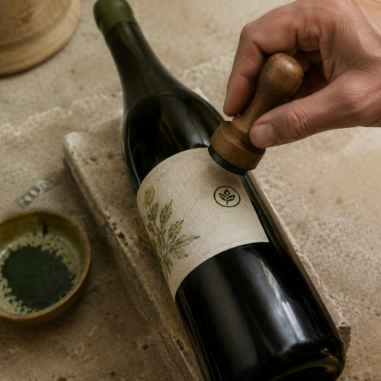
What makes a wine vegan, what choices does the winemaker make, and what should you look for when buying it? This guide takes you through the key questions. You can follow the explanations even without prior knowledge of wine: technical terms are introduced as you need them.
Wine brings grapes to mind, and grapes are plant-based. Yet animal-derived materials may be used in winemaking. Whether a wine is vegan therefore generally depends on the processing aids used, rather than on the grapes themselves.
1. What is vegan wine?
Vegan wine is made without ingredients or processing aids of animal origin. Processing aids support a stage of production: for example, they may help remove particles from the wine. The winemaker usually removes them from the liquid afterwards. However, their use during production still matters when determining whether a wine is vegan.
- A familiar foundation: wine is made by fermenting grapes. During fermentation, yeasts convert the sugars in the juice into alcohol and carbon dioxide. These micro-organisms are not animals.
- Different production choices: vegan winemaking avoids substances such as egg white, milk protein, animal-derived gelatine and isinglass.
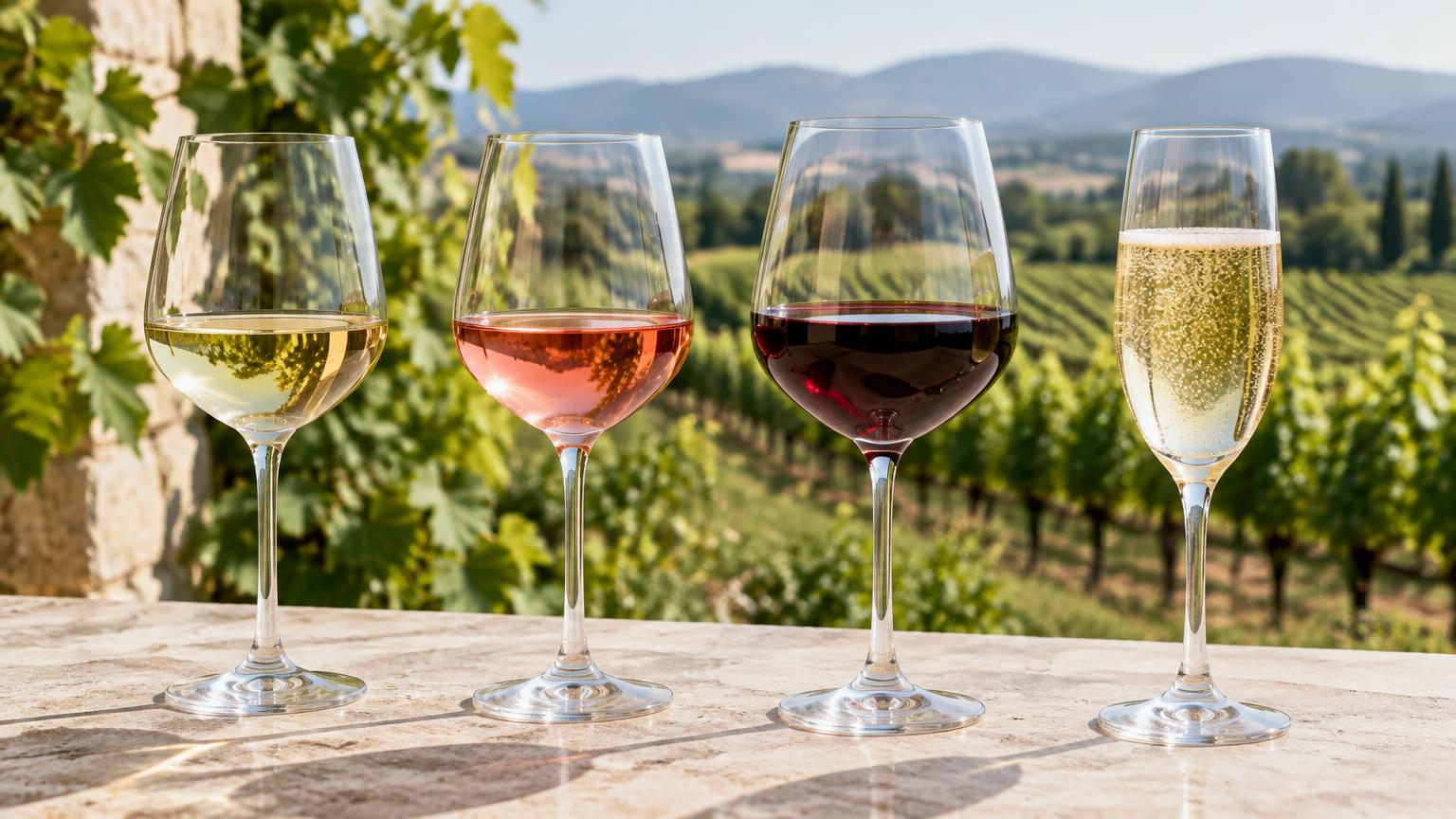
- Not a distinct wine style: red, white, rosé and sparkling wines can all be made vegan. The description does not tell you whether a wine is, for example, sweet, dry, full-bodied or light.
Interest in vegan wine is drawing more attention to a long-established practice: fining with animal-derived agents is nothing new. For anyone avoiding animal products, the contents of the bottle are therefore only part of the story: the stages before bottling matter too. Clear information from the producer makes it easier to choose accordingly.
2. From grape to vegan wine
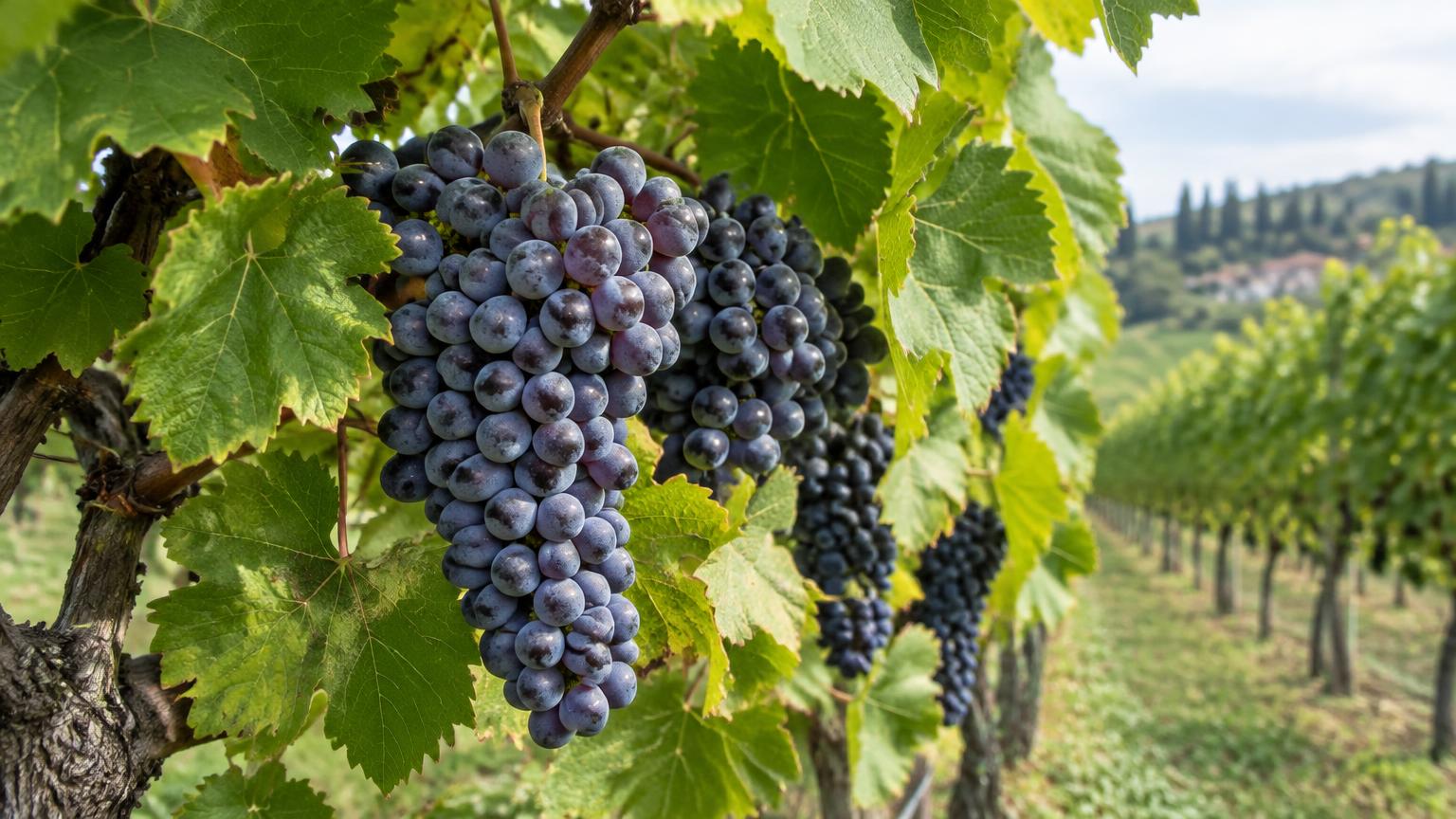
For vegan wine too, the process begins with harvesting, processing and fermentation. The winemaker then decides which further steps are needed to achieve the intended character and keeping qualities. It is particularly at these later stages that the origin of processing aids matters.
- Fermentation: yeasts turn grape juice into wine. Fine particles and proteins may remain in the liquid afterwards, without immediately settling to the bottom.
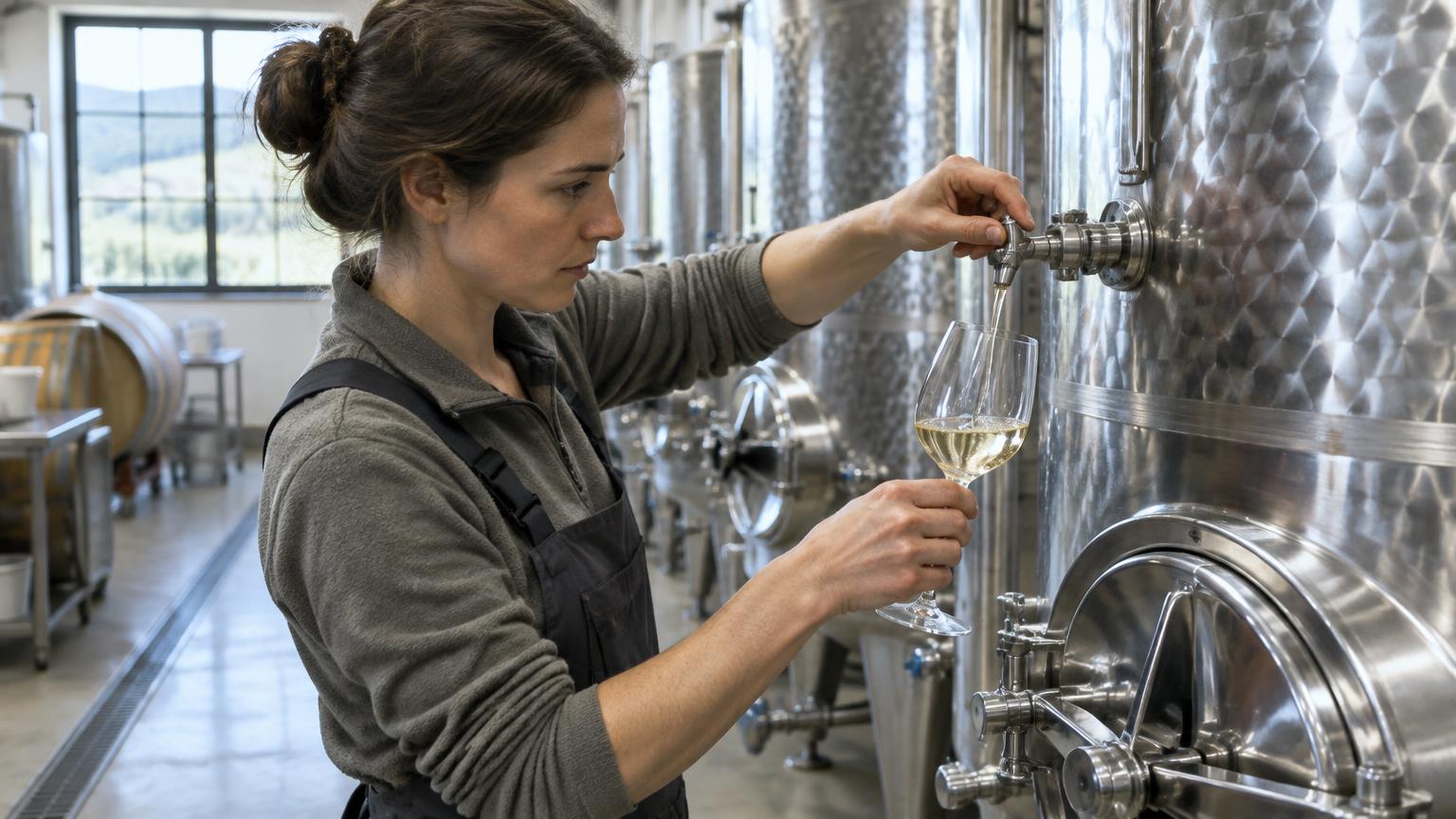
- Fining: a fining agent binds to certain components, helping to remove them from the wine. This can improve clarity, reduce unwanted bitterness and lower the risk of cloudiness developing later.
- Agents of non-animal origin: one option is bentonite, a mineral clay that binds to certain proteins. Plant proteins, such as those derived from potatoes or peas, can also be used. As their effects differ, the winemaker chooses an agent suited to the particular wine.
- Separating the sediment: some particles naturally collect at the bottom over time. Carefully transferring the wine to another vessel leaves this sediment behind. An added fining agent is therefore not always necessary.
- Filtration before bottling: filtration traps particles in a filter. This is a different process from fining. A filtered wine need not have been fined with animal-derived agents; conversely, an unfiltered wine may have undergone such treatment earlier.
Which animal-derived processing aids are involved? Familiar examples include albumin from eggs and casein from milk. Gelatine made from animal material and isinglass derived from fish are also used. Their purpose is technical: they are not intended to give the wine an egg, milk or fish flavour. Once they have done their job, they are usually removed.
Vegan production is therefore not the same as leaving wine entirely untreated. What matters is choosing ingredients and processing aids that do not come from animals. Clarity and filtration are consequently compatible with vegan winemaking.
3. Vegan, organic or natural wine?
Vegan, organic and natural wine: these terms may appear together on a label, but they describe different things. A bottle may meet more than one description. However, one designation does not mean that another also applies. If you are looking for vegan wine, check that characteristic separately.
Vegan means production without animal-derived ingredients or processing aids. It does not, in itself, guarantee organic cultivation, a particular climate impact or wine quality. Certification may go beyond this basic principle. To understand what a particular certification mark means, check its requirements.
Organic focuses on rules governing grape cultivation and winemaking. This designation does not automatically exclude every non-vegan processing aid. Equally, vegan wine is not always made from organically grown grapes. If both characteristics matter to you, you need separate confirmation of each.
- Biodynamic wine: this approach to cultivation and production has its own principles. Without further information, the designation does not tell you whether the wine is also vegan.
- Natural wine: this generally refers to wine made with minimal intervention. The term alone, however, does not reveal which processing aids have been used throughout production.
- Unfiltered wine: this has not undergone filtration. That does not establish whether animal-derived processing aids were used in an earlier treatment.
Can you taste the difference? There is no distinctive flavour shared by all vegan wines. A wine’s character comes from factors including grape variety, climate, ageing and choices made during production. The fining method can influence it. However, the word ‘vegan’ alone does not tell you what to expect in the glass.
What does it say about sustainability? Vegan wine suits the wish to avoid animal-derived processing aids. If you also want to consider other aspects of sustainability, you need to look more broadly. These include cultivation methods, energy use, packaging and transport. The vegan designation alone provides too little information to compare wines on these points.
- A practical starting point: do not rely solely on general terms such as ‘natural’ and ‘pure’. Check whether there is specific evidence supporting the characteristic on which you want to base your choice.
4. How do you identify and choose vegan wine?
The label and accompanying product information are a good starting point; detailed knowledge of winemaking is not necessary. Look for a certification mark or clear, up-to-date confirmation from the producer. These tell you more about vegan status than the bottle’s appearance, the wine’s colour or its country of origin.
- Step 1 — Read the exact wording. Look for a description such as ‘vegan’ or ‘suitable for vegans’. ‘Vegetarian’ does not offer the same assurance: egg or milk protein, for example, may have been used for fining.
- Step 2 — Check the certification category too. V-Label has both vegetarian and vegan categories. Simply recognising the logo is therefore not enough; check which category is stated. Also distinguish between certification and a producer’s own claim.
- Step 3 — Match the information to your bottle. Check the wine’s full name and, where possible, the stated vintage. One vegan wine from a producer does not mean that all their other wines are vegan too.
- Step 4 — Ask a specific question. You can ask the retailer, importer or producer: ‘Can you confirm that no animal-derived ingredients or processing aids were used for this wine, including during fining?’ This asks about production, rather than solely about what ultimately remains in the bottle.
Is an ingredients list enough? New rules on ingredient and nutritional information for wine have applied in the European Union since 8 December 2023. Wine produced before that date is covered by transitional arrangements. Some information may be provided electronically, for example via a QR code. Mandatory allergen information must still appear on the bottle.
Not every processing aid has to be included in the ingredients list, while separate rules apply to allergens. Seeing no animal-derived ingredients on the list therefore does not confirm vegan production. Conversely, the absence of a logo does not rule it out: a producer may use no vegan logo yet still confirm that no animal products were used.
Keep the choice straightforward: first establish whether production is vegan. Then consider which wine style, flavour description and price suit you. Vegan status remains a characteristic of the production process, not a promise about quality, sweetness or what you will enjoy.
5. Frequently asked questions and summary
Are grapes enough to make wine vegan?
Not necessarily. The plant-based starting point tells you nothing about all the later stages. Animal-derived processing aids may still be used during those stages. You therefore need to consider the entire production process.
Which types of wine can be vegan?
Red, white and rosé wines can be vegan, as can sparkling wines. The designation does not describe a colour or style. Neither the grape variety, the region nor the bubbles provide a reliable answer on their own.
Does vegan wine have to be cloudy and unfined?
Certainly not. Plant-based or mineral fining agents and filters can be used to make wine clear. Equally, a cloudy appearance or the word ‘unfiltered’ is not proof of vegan production.
Is vegan wine free from alcohol and allergens?
No. Vegan does not mean alcohol-free or allergen-free. Nor does it establish suitability for someone with an allergy. Check the allergen information and, if necessary, ask the producer for information about the specific allergy.
How do I check a bottle without a vegan logo?
Look for additional product information or obtain confirmation of how this specific wine was made. If the information is not clear enough, its vegan status remains uncertain. The absence of a logo alone does not establish whether the wine is vegan or non-vegan.
Three sentences to remember
To make vegan wine, the winemaker excludes animal-derived ingredients and processing aids from production. The fining method is often particularly important, while grapes and wine colour provide no definitive answer. Checking a vegan certification mark or a specific statement from the producer helps you find a suitable bottle.
Sources and further information
Australian Wine Research Institute: Fining Agents — an explanation of fining agents. The Wine Society: Vegetarian and vegan wines — the difference between fining and filtration. V-Label Nederland — information about vegan and vegetarian certification marks. European Commission: New rules for wine labelling and the questions and answers on the new EU wine labelling rules (2023).